Creating a welcoming shopping experience shouldn’t just be a compliance box to check—it’s a commitment to seeing your customers in full. For millions of individuals with disabilities, retail environments can feel like obstacle courses rather than places of possibility. That’s not from malice, but often from a lack of awareness, intentional design, or detail-level execution. This isn’t about flashy initiatives or grand overhauls. It’s about granular friction: aisles too tight for wheelchairs, unlabeled buttons at checkout, product images without alt text. Retailers who understand this—and act on it—are not only making their spaces more accessible but also more usable, humane, and responsive. Here are seven ways to get specific and get it right.
Rethink the Physical Flow of the Store
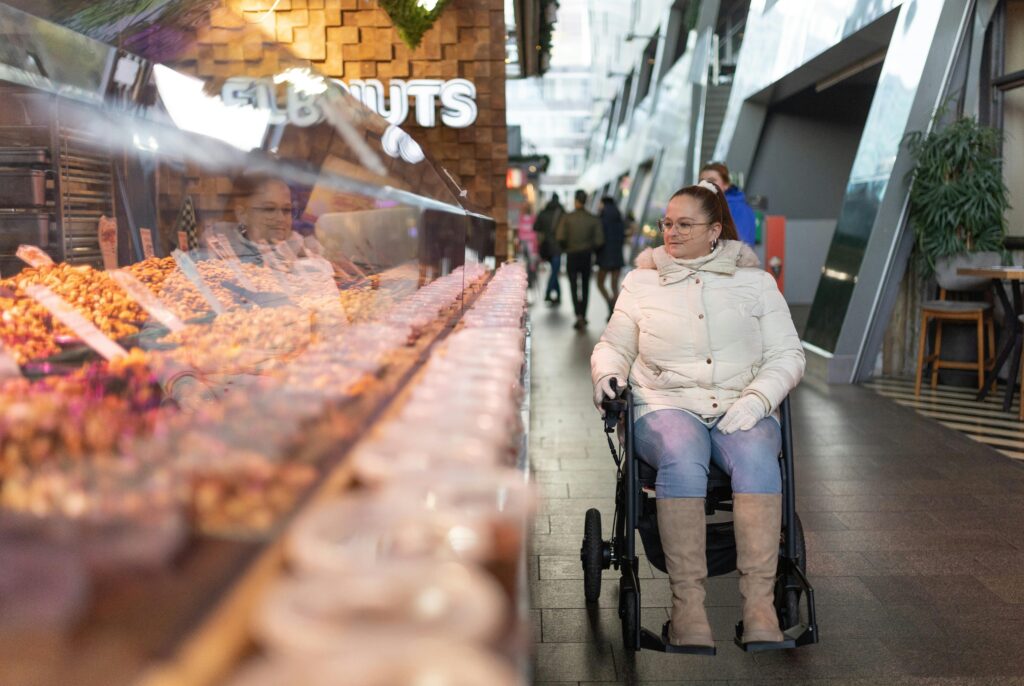
Let’s start where most shoppers start: the door. For customers who use wheelchairs, walkers, or canes, narrow aisles and sharp, crowded corners aren’t minor annoyances—they’re hard stops. The fix isn’t glamorous, but it’s essential: keep minimum 36-inch clear aisle width throughout the sales floor to ensure movement is possible and dignified. That measurement isn’t just ADA guidance—it’s a signal that someone thought ahead. Watch for rug bunching, unnecessary displays jutting out, and bottlenecks near entrances or fitting rooms. Rearranging shelving might feel like a logistical hassle, but it’s a direct investment in human navigability.
Make Navigation Effortless — Not Guesswork
Poor signage isn’t just bad branding—it’s an access barrier. Customers with low vision or cognitive disabilities can get disoriented in even modestly sized stores, especially if displays change frequently or sales promotions use unclear symbols or abbreviations. It’s on the retailer to remove ambiguity. This means adhering to standards for shelf height and sale signage standards, using large sans-serif fonts with high contrast, and eliminating mirror-glare confusion near fitting areas. Consistency across departments helps build intuitive navigation. When way-finding makes sense without effort, everyone benefits—not just those who need it most.
Revamp the Checkout Experience for Equity
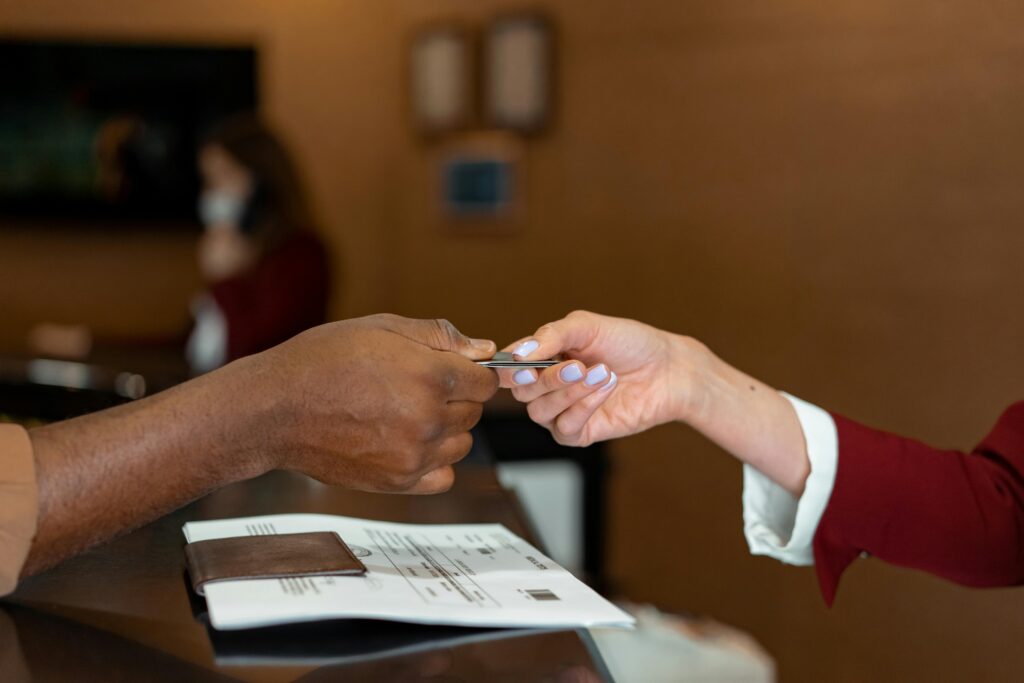
Checkout is the finish line—but for many disabled shoppers, it’s where things fall apart. High counters, crowded queuing areas, and unreachable touchscreens can render payment a frustrating or even humiliating process. Fixing this isn’t theoretical; it’s measurable. Install lowered sales counters at checkout and ensure card terminals swivel or tilt toward the customer. If your checkout relies on digital pads or kiosks, confirm they’re screen-reader compatible. Equitable design doesn’t slow down the process—it clears the path so everyone crosses the same finish line, not a separate, unequal one.
Rebuild Digital Images with Disabled Users in Mind
Your in-store experience might be stellar, but if your website leaves disabled customers behind, the story falls apart online. Product visuals are especially problematic when they lack alt text, poor color contrast, or use decorative-only visuals with no descriptive context. One of the most effective low-lift fixes? Improve the way your team edit image online to support accessibility standards. With tools like Adobe Express Image Editor, retailers can easily add alt text, enhance clarity for low-vision users, and simplify visuals to reduce confusion for neurodiverse customers. Start with your top 10 SKUs and expand. Accessibility isn’t one big project—it’s thousands of small, correct choices.
Train Staff to Spot Gaps, Not Just Greet Customers
No checklist, layout, or visual upgrade will matter if your team can’t see — or hear — when someone needs support. Accessibility isn’t static; it’s situational. That’s why training your frontline team to notice communication barriers, movement hesitations, or checkout friction is just as vital as design work. Teaching simple behaviors like offering help without assumption or training staff on alt text principles builds a culture of care, not just compliance. Managers should regularly revisit ADA topics in briefings — not as threats, but as trust-building tactics. The best accessibility plans walk on two legs: infrastructure and human interaction.
Don’t Neglect Fitting Rooms and Facilities
Fitting rooms aren’t just about space. They’re about dignity. Too many retailers check the “accessible stall” box without examining the actual experience. Is there a bench? Is there turning radius for a power chair? Is the lighting manageable for customers with sensory sensitivities?

Requirements for accessible changing room clearances required are well-documented, but execution varies wildly. Treat restrooms and fitting spaces like first-class seating—not storage closets. Cleanliness, lighting, access to assistance—they all send signals about who belongs and who doesn’t.
Alt Text Is a Touchpoint, Not a Tag
Digital accessibility isn’t about perfection—it’s about precision. There’s no faster way to alienate a disabled customer than with a beautifully rendered product image that’s invisible to their screen reader. Take the time to implement descriptive product alt-text improves usability and make it a permanent part of your content update workflow. If you’re building alt text as an afterthought, you’re already behind. This isn’t just SEO—it’s user dignity. Real access lives in the details.
Improving access isn’t about being nice—it’s about being accurate. Retailers who take accessibility seriously don’t just prevent problems; they earn repeat business from customers who notice the difference. Every shelf height, every label, every pixel—it either includes someone or pushes them out. The goal here isn’t to build the perfect store. It’s to build a store that notices, listens, and adjusts. You don’t have to do everything at once. But you do have to start. Because someone who can’t access your store can’t access your brand— and that’s not a missed sale. It’s a missed relationship.
Unlock a world of possibilities at Abilities Expo and discover cutting-edge technologies, inspiring workshops, and empowering resources to supercharge your independence and break barriers!