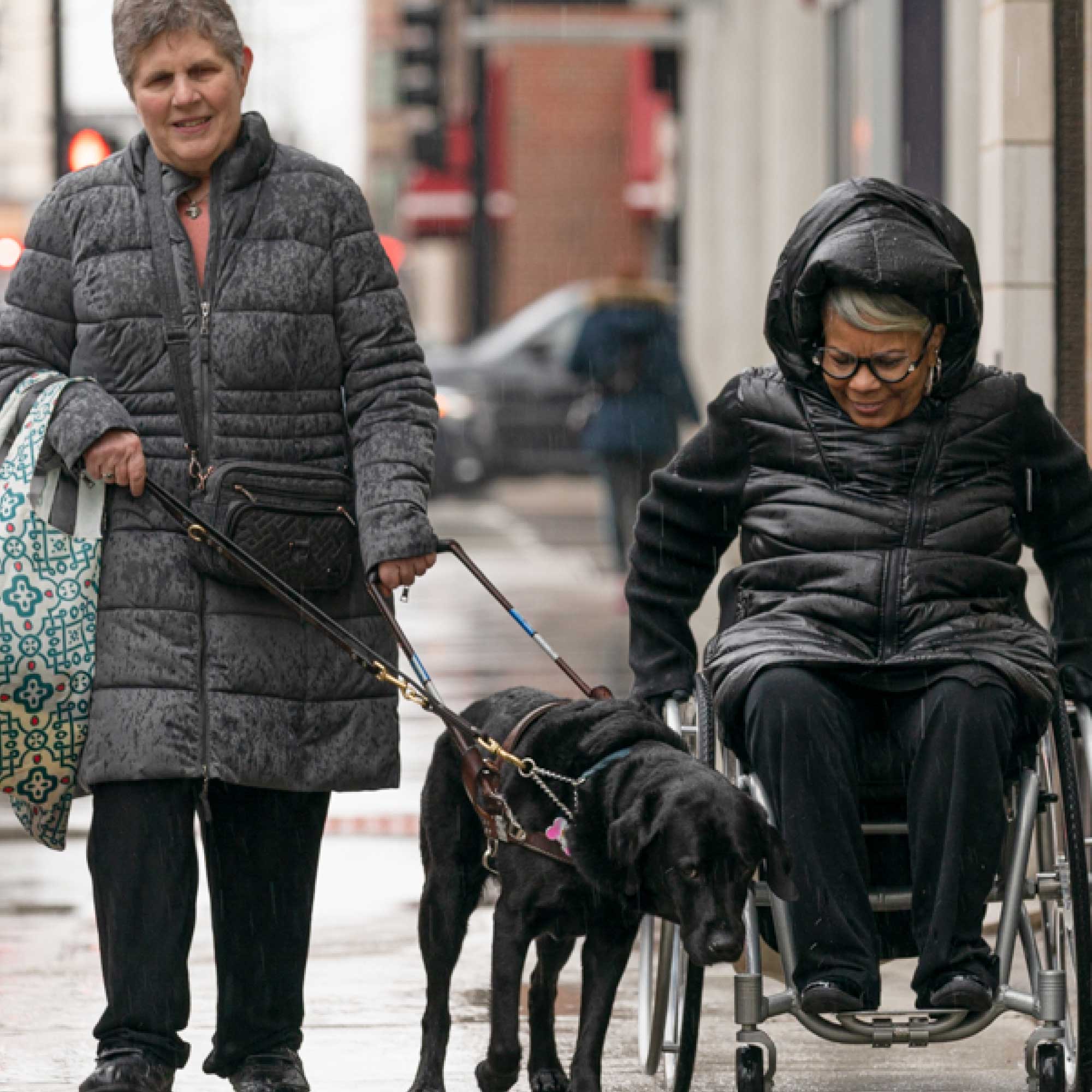
For travelers with disabilities, parents of disabled kids, and caregivers coordinating support, travel can come with exhausting uncertainty before the trip even begins. Common travel challenges for disabled individuals, unreliable access features, unclear policies, equipment worries and awkward communication, can turn a simple outing into a risk calculation. Accessible travel planning matters because it replaces guesswork with informed expectations and protects energy for the parts of the trip that should feel joyful. With the right mindset, inclusive travel experiences become more consistent, especially when assistive travel technology is treated as a standard part of preparation.

Plan Accessible Travel With Fewer Surprises
This process helps you turn accessibility needs into clear bookings, confirmed supports, and realistic daily expectations. For disabled travelers and caregivers, it reduces last-minute scrambling and makes it easier to choose inclusive recreation and community resources that actually match your body, your equipment, and your energy.
- Confirm airline and transit accessibility policies early
- Start by checking how your airline handles wheelchair assistance, seating accommodations, service animals, and mobility aid storage, then write down what you must request in advance. Call to confirm time cutoffs and get an agent name or reference number so you are not re-explaining everything at the gate.
- Verify hotel accessibility features with specific questions
- Don’t rely on “accessible room” labels alone. Use practical questions about entrances, bathroom setup, bed height, elevator access, and parking, then ask for photos or measurements when something is a dealbreaker.
- Map mobility equipment logistics from door to door
- List every transfer point where gear could get delayed or damaged: rideshare pickup, curb cut, check-in, security, boarding, and baggage claim. Pack a small repair kit, key paperwork, and backup batteries or chargers in carry-on, plus clear tags and handling instructions attached to your device.
- Build a backup plan for access failures and care needs
- Choose one alternative for each critical need: a second accessible lodging option, a nearby urgent care or hospital, and a local equipment repair or rental contact. Since only 44.1% of elderly people live within a 5-minute drive to a hospital, treat medical proximity as something to verify, not assume.
- Set communication, insurance, and pacing guardrails
- Prepare a short “access script” you can read or show that covers what helps, what hurts, and what to do if staff are unsure, and save it on your phone for quick sharing. Compare travel insurance that covers pre-existing conditions, trip interruption, and mobility equipment, then plan fewer daily commitments with built-in rest so you can still enjoy inclusive activities.

Plan → Confirm → Pack → Recheck → Travel
Accessible travel gets easier when you follow the same coordination rhythm every trip, rather than reinventing the plan under pressure. This workflow turns “I hope it works” into timed check-ins that protect your energy, your mobility equipment, and your ability to enjoy inclusive recreation and community resources once you arrive.
| Stage | Action | Goal |
| Scope the trip | Choose dates, pace, must-haves, and dealbreakers | Clear access requirements before you spend money |
| Lock key bookings | Reserve flights, lodging, and ground transport with written accessibility notes | Confirmed supports tied to your reservation |
| Audit and document | Re-verify details, save names, photos, and policy screenshots | Fewer surprises at check-in or arrival |
| Service and stage gear | Inspect equipment, charge batteries, pack repair and medical essentials | Working gear and backups ready to deploy |
| Final 48-hour sweep | Reconfirm assistance, routes, and accessible activities; share your access script | Everyone aligned on day-one logistics |
| Post-trip review | Note what worked, what failed, and updates for next time | A faster, calmer plan next trip |
If you repeat this loop, each phase feeds the next: requirements drive reservations, confirmations shape packing, and packing reduces on-the-spot problem-solving. That consistency matters because globally, over 1.3 billion people live with disabilities, and access planning is a normal part of travel, not a special request.
Common Questions for Smooth Accessible Travel
Q: What are the key accessibility features I should research when booking flights and hotels? A: Confirm step-free routes at every pinch point: entrance, elevators, bathroom, and any shuttle pickup area. Ask for exact measurements, bed height, roll-in shower details, and whether “accessible” rooms can be reassigned. Save written confirmations, staff names, and screenshots of stated features, then scan them into one folder you can share.
Q: How can I effectively plan for mobility equipment logistics during travel? A: Map your equipment needs by segment: airport, ground transport, lodging, and activities, then list charging, storage, and backup parts for each. Pack a small repair kit, label your device with handling notes, and photograph it from all sides before departure. Keep manuals, battery specs, and insurance info scanned so they are easy to show quickly.
Q: What steps should I take if accessibility accommodations fail while I’m on a trip? A: Start by stating the impact and the fix you need in one sentence, then ask for a supervisor and a time-bound solution. Use a written “access script” and a simple emergency communication plan because clear instructions help people act fast under stress. Document what happened, who you spoke with, and take photos so you can escalate and seek appropriate remedies.
Q: How do realistic pacing and communication strategies contribute to a successful accessible travel experience? A: Building in buffer time reduces fatigue and protects your energy for inclusive recreation once you arrive. Communicate your non-negotiables early, repeat them at each handoff, and keep them in a note you can read aloud. Since verifying the accuracy of information is a known challenge, your written checklist helps turn vague promises into specific actions.
Q: How can a travel agency or service help me navigate complex accessibility requirements and ensure a smoother trip? A: A good service translates your needs into precise booking notes, then re-confirms them with airlines, hotels, and drivers before you travel. Ask how they document accessibility commitments, what happens if plans change, and who is reachable during disruptions. Request that all confirmations, policies, and contact names be compiled into a single shareable PDF for fast access, and combine multiple PDFs as needed.
Accessible Travel Ready-Check Before You Go
Keep it handy: This quick list turns planning into a calm routine, so you can focus on inclusive recreation and community resources instead of last-minute surprises. Use it to verify access, protect mobility equipment, and keep support contacts ready.
✔ Confirm step-free access at entrances, bathrooms, elevators, and pickup points
✔ Request exact measurements for beds, doorways, showers, and turning space
✔ Save written accommodation notes, staff names, and reservation screenshots in one folder
✔ Pack chargers, tools, labels, and backup parts for all mobility aids
✔ Photograph equipment condition and store manuals, battery specs, and insurance details
✔ Set a simple access script and escalation plan with time-bound requests
✔ Compile emergency contacts, clinicians, pharmacies, and local non-emergency numbers
Check these off, then travel with confidence and flexibility.
Plan for Access Gaps and Still Enjoy the Trip
Accessible travel often comes with a frustrating gap between what’s promised and what’s actually usable, especially when delays, breakdowns, or staff changes hit. The steadier approach is to plan for flexibility: keep realistic travel pacing, lean on adaptive travel tips, and treat advocacy as a calm, repeatable habit rather than a one-time battle. That mindset builds confidence in accessible travel because it helps protect energy, safety, and dignity even when access isn’t perfect. A successful accessible trip outcome is a workable plan that keeps you safe and included. Choose one next step today, save your ready-check, confirm one key accessibility detail, and keep it easy to find. Inclusive travel encouragement matters because it keeps people connected to the world on their own terms.