“When will he crawl/walk?”
“Let’s celebrate when all of our kids are out of diapers!”
“What’s wrong with him?”
“My sister’s cousin’s mother’s hairdresser’s son has a disability, and Dr. XXX fixed him. Let me get you that information.”
“Everything happens for a reason.”
“I couldn’t imagine.”
“I don’t know how you do it!”
These are a few of the phrases family, friends and even strangers have said to me over the years. Each one made me cringe and left me speechless.
My son is now 13, and I’ve replied to these comments with every type of response ranging from “Sorry, I don’t believe everything happens for a reason” to “We may never get to that stage” to “You really hurt my feelings.”
How do we cope when someone says something that stings? Honestly, it depends.
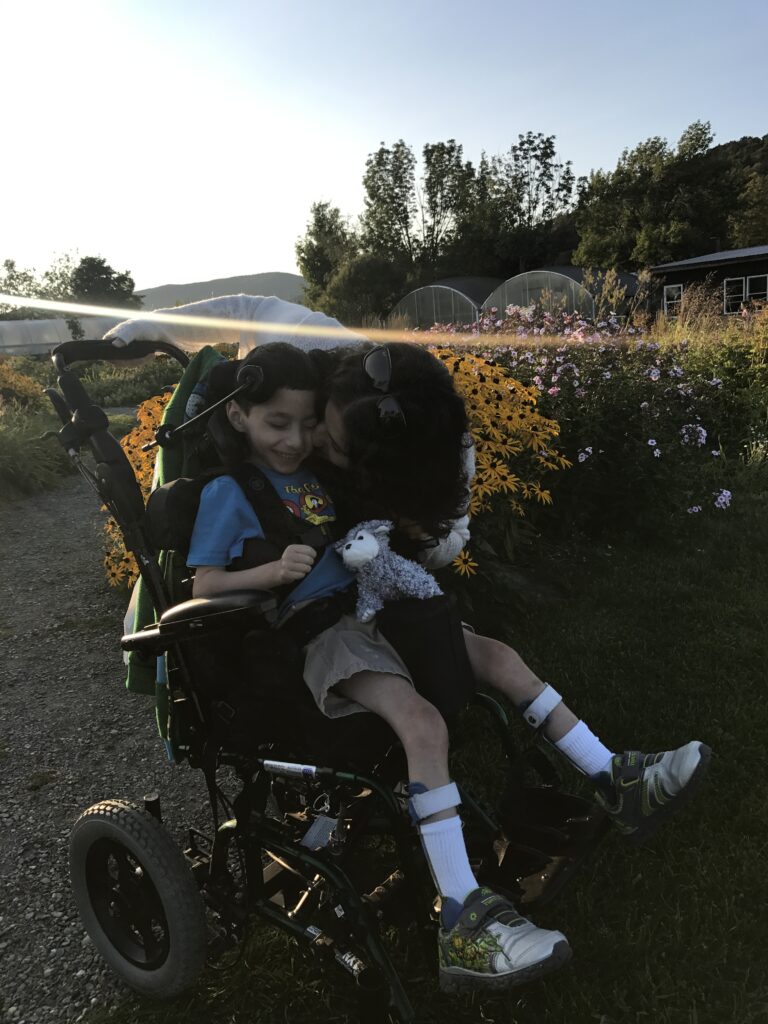
Here’s what I’ve learned:
People Mean Well
Usually, people mean well. They haven’t met or learned enough about people with disabilities, and they talk without thinking about how something comes across. They say words to fill space in a conversation with good intention. Recognizing this usually takes that initial sting away.
I know things that others may never understand
After advocating for my son for the past 13 years, I’ve had experiences most people just can’t understand. Coming to terms with that was hard, but it’s helped me be more sympathetic when someone says something in an attempt to relate, be helpful or simply keep the conversation going.
There are others out there who do get it
I’ve met amazing people in the disability community, from therapists who treat my son to adult disability advocates to parents with disabled children, who understand what it’s like to live in two worlds, have to constantly advocate, manage never-ending paperwork, endure sleepless nights and struggle to find accessible entrances or restrooms.
I stay connected with those friends, even if it’s just through social media, a random text, or a meet-up a couple of times a year. A funny meme now and then, or a breakfast every couple of months when our kids are at school, lightens the load and helps me feel seen and connected. I
also lean into places, like the Abilities Expo, where there is a community that understands and lifts me up.

I can steer the conversation
As long as I have an outlet where I share frustrations, successes and goals about everything related to my son, I try to talk about other things when I’m around people I know won’t understand certain parts of my life. If I had something in common with a family member or friend before my son was born, I talk about that. Or I simply ask them about themselves, so I stay away from platitudes or conversations that might upset me.
I can spend a few minutes explaining my side
Every once in a while, a friend says something that bothers me, and I know they would want me to tell them. I explain that I know they mean well, but XXX phrase is offensive, or I don’t like talking about XXX. As long as I’m kind and forgiving, the response is usually positive.
I can let go of relationships when we no longer connect
There are some people I may never relate to now that my life has changed so much. I can’t unsee the lack of accessibility and inclusion, even when my son isn’t with me. If I had very little in common with someone to begin with, it’s time to move on.
I need to protect my mental health
My mental health is my top priority. If I don’t feel good, I can’t take care of myself or my family. Navigating uncomfortable conversations wears me down, so I remind myself to breathe. I see a therapist to unload, vent to my husband, rest when I can, try to eat well and exercise, and I do my best to focus on all areas of my life. This has gotten easier as my kids have gotten older.
How I reply to unwelcome comments today
A couple of weeks ago, an older cousin said to me, “I don’t know how you do it.” We hadn’t seen one another in months, and we don’t have much in common. He probably didn’t know what else to say.
I half-smiled and changed the topic to something he could relate to. After a couple of minutes, I excused myself and joined a different conversation.
Next time I see that person, I might try to come up with topics we can both enjoy. Or not. It’ll depend on my mood at the time, and that’s ok. Not every exchange works out perfectly, and, at the end of the day, my mental health and my family are my top priorities.